
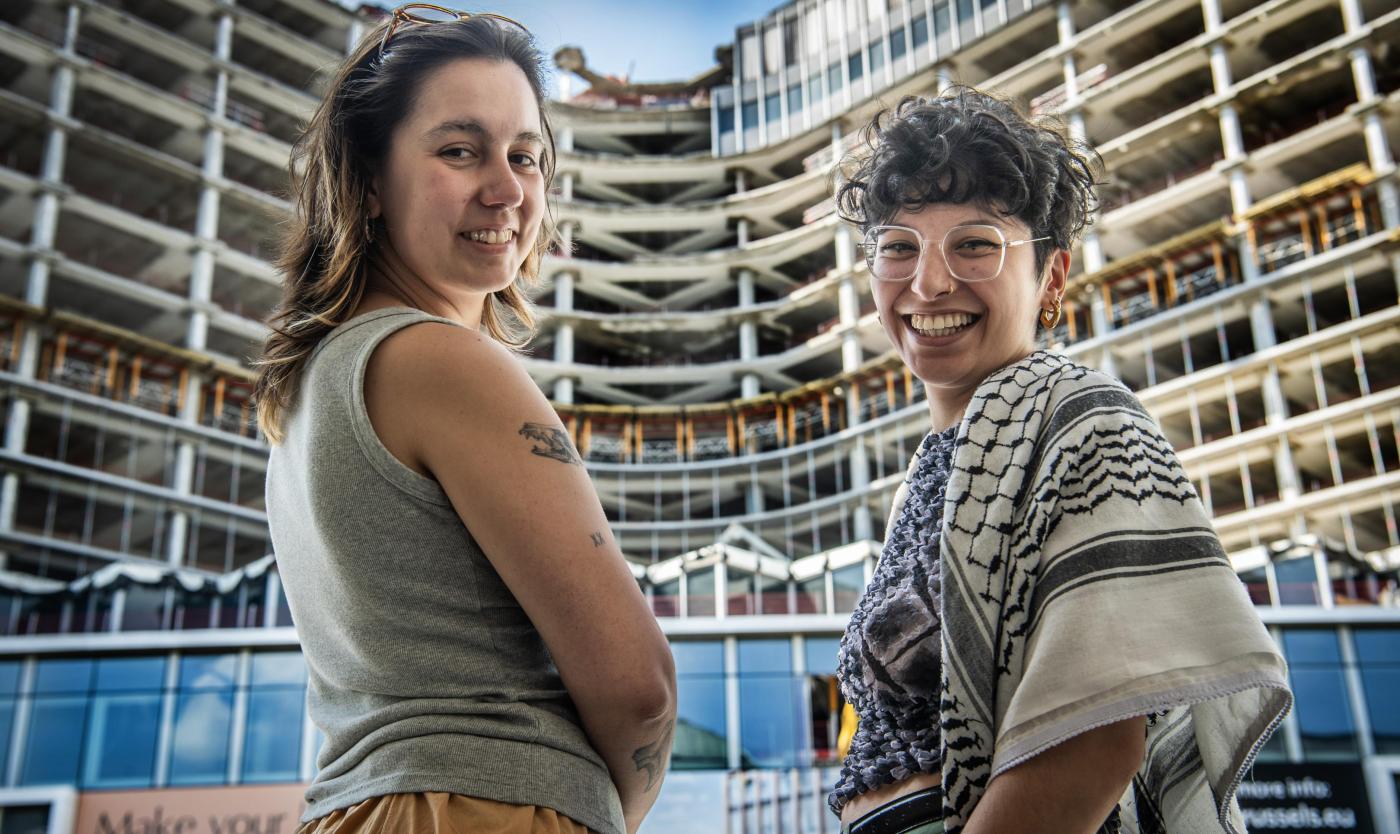
Name: Skin Mutts
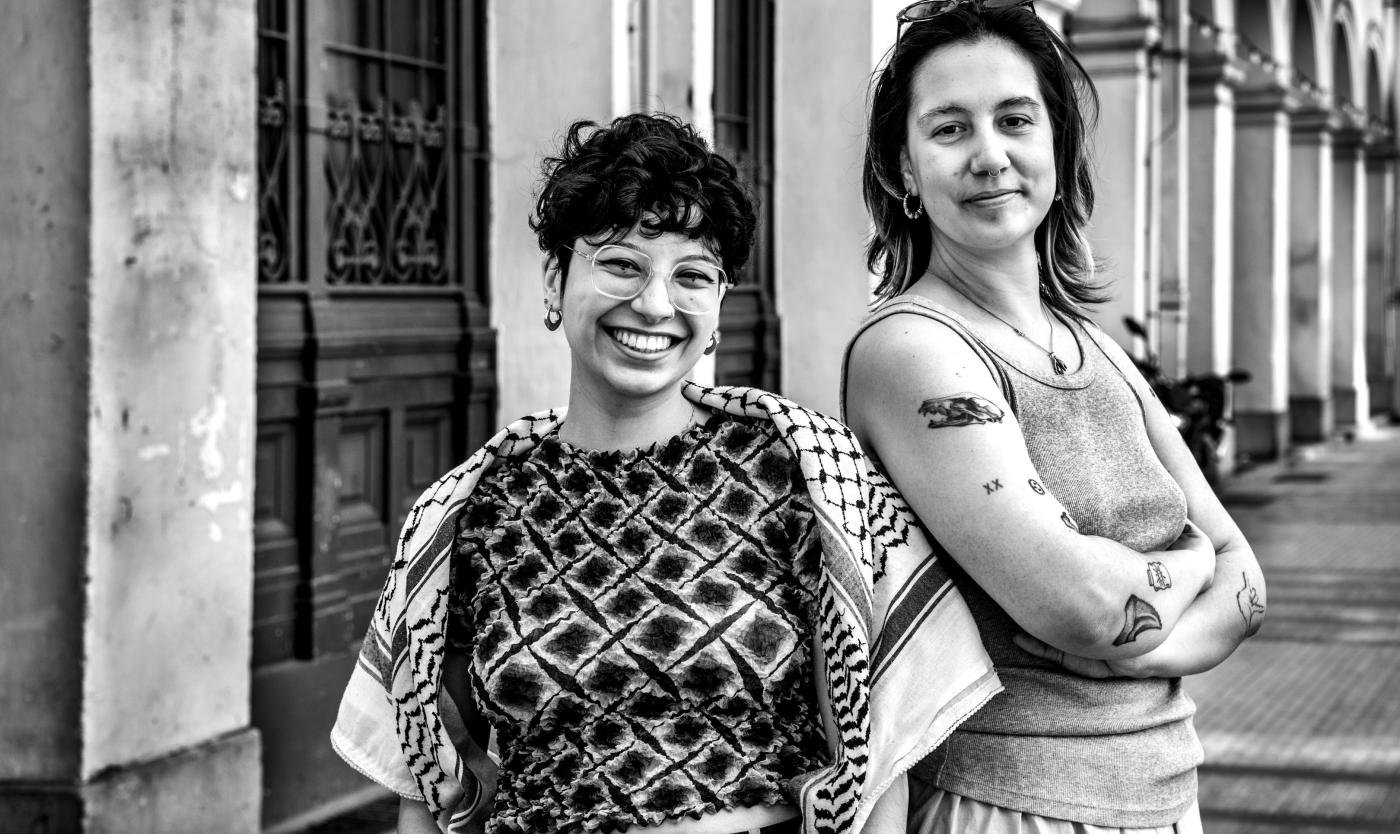
Core members: Olivia Lopez Calderon (founder), Lisa Mei Eeraerts (Co-founder)
Goal: Redesign open conversations around mixed culture identities
Exists since: Started in 2019 by Olivia, in May 2022 Skin Mutts became a non-profit organization led by Olivia and Lisa
Meet up: Saturdays (De Grid, Muntpunt) for workshops, and every last Thursday of the month for ‘gather arounds’ (different locations)
The thing that binds us: We love to read and to learn more about the world and its environment
Our ritual: Being late or indecisive on where to get lunch
New members welcome? SkinMutts is an open free space for everyone to join an activity
Contact: www.skinmutts.com, @skinmutts
With ‘Tell Me How it Ends’, Skin Mutts presents a book that highlights the reality of racism and fear, through personal stories about migration in confrontation with the American Dream. The tales are similar to topics discussed within the Skin Mutts community, which aims to reshape the conversation about mixed cultural identities. With their community of diaspora and second-generation members, they talk about the beauty and struggle of simultaneously belonging to multiple worlds.
You can regularly find Skin Mutts at De Grid in Muntpunt, together with a workshop host who talks about their artistic profession and their connection with belonging. Every last Thursday of the month, the collective organizes gather arounds, where it gives the floor to a speaker who talks about their work and how it relates to being a Skin Mutts.
by Yasmine Ennassiri
How did Skin Mutts come to life?
Olivia: ‘Basically, Mutts is derived from the Italian word métis, which is used to talk about mixed people. I was born in Italy and am mixed myself, and when I started this project to talk about my identity, I realised that other people also related to it. That is how the idea and name came to life.’
Lisa: ‘Our whole question as a collective is "where do you belong?" Supposedly to find a sense of belonging.’
Brussels is a diverse city with different nationalities and ethnicities. Where do you position yourselves as a collective in the city?
Oliva: ‘Brussels is the perfect city for a project like Skin Mutts! It started nomadically, first in Italy and then in Ghent. But when we moved it to Brussels, we found the right place to establish the project. We immediately received a lot of recognition from people,
because they could relate to what we do. Everyone in Brussels comes from different places and communities but they all intercept, connect, and overlap.’
Lisa: ‘Since neither of us grew up here, we get to experience certain aspects of the city. For me, the most interesting part of Brussels is the presence of several layers. You have the people who grew up here, the ones who only came here to work for the European institutions, and everyone in between. As a collective, we are still spreading through the different layers of the city, but in every single one of them there is someone to be found who can relate to Skin Mutts.’
Do you see the collective reaching likeminded souls all around Belgium?
Lisa: ‘To celebrate the one year anniversary of our Skin Mutts magazine, we organized an opening celebration and exposition at FOMU in Antwerp. There we noticed that people were surprised about the existence of an initiative like Skin Mutts in Belgium. But our community is primarily Brussels based and our network is not big enough to expand to other cities. That is why we keep organising things here. That and the fact that neither of us speak French, so the south feels super mysterious to us.’ (laughs)
For '1 Stad, 19 Boeken', you chose the book ‘Tell Me How It Ends’. Can you tell something more about it?
Lisa: ‘The book is an essay on how Valeria Luiselli spent years translating legal documents of children and teens that try to immigrate from Central America to the United States. She shares their stories and shows how tedious, tiresome, dystopian, and actually ironic their journeys are. As she says herself: “It’s not the American Dream they pursue, but rather the more modest aspiration to wake up from the nightmare into which they were born.”’
“Everyone in Brussels comes from different places and communities, but they all intercept, connect, and overlap."
How does the book shed a light on the complex relationship between migration and society?
Lisa: ‘The author dives into the roots of the mass immigration from Central America. She shares how gang violence and the foreign decisions of the US government in the ‘70s and ‘80s impacted the region for decades, and how these events are now shaping the demographics of both Central and North America, along with how racism and classism are constantly at play.’
Both coming from a multicultural background, did you recognize yourselves in one of the chapters?
Lisa: ‘When it comes to legal identity, I have an extraordinary privilege, so no. My parents relatively easily naturalized, and I got my US citizenship through them while I was a minor. However, the stories around legal belonging are very relevant for my family, friends, and Skin Mutts.'
Olivia: ‘When I read a book or watch a movie, I often look for relatable stories. However, living in Belgium, I don’t often come across stories from Latin America. My father is Guatemalan and moved to the US when he was very young, so I could read a piece of his story through Valeria’s words. And by proxy a bit of mine, so to speak. On the whole, the book really touched me emotionally, especially realizing that these stories are still happening today. I was glad to read something I could understand from a closer angle – even if not completely – because my own story is very different from my father’s. Another Valeria Luiselli book is waiting for me on the bookshelf, but this one hit me a bit too close to home, so I will have to mentally prepare myself before picking it up.’
Lisa: ‘Olivia often points out that at Skin Mutts, all of our stories are very different. But there is always that same sense of longing and belonging we all recognize. For example, even though I do not have a Kenyan mom, I can relate to stories about this kind of figure, to the way her actions are being described.’
Do you experience a certain feeling when reading a book? Do you enjoy it?
Lisa: ‘I love reading! It is a good way to decompress and to find out more about the world. I started reading a lot since my childhood. I would even read and walk at the same time. (laughs) But when I came to Belgium, I lost access to English books, because they were not available in the nearest library. But right before the pandemic I got back to reading a lot.’
Olivia: ‘I also read a lot when I was younger, it was a hobby and I just loved it! But I also kind of lost touch with it when I moved to Belgium. During the pandemic I started to read more, but I find myself reading less again now. Sometimes I think that I do not enjoy it anymore, but on holidays I rediscover the joy of it and read a lot! Mostly because I do not feel disturbed by my surroundings or thoughts, which is often the case when I try to read at home in Brussels.’
How do you choose a good book? Do you base it on the author, cover, reviews …?
Olivia: ‘The cover is always a main decision factor. But actually, it is mostly hearing others talk about a specific book that intrigues me into reading it.’
Lisa: ‘I think the same counts for me. I either pick up things on social media or get influenced by some specific people in my life. I noticed that everyone who loves to read, has an ever-growing book list. So I have limited myself to my roommates and Olivia’s library for guidance.’ (laughs)
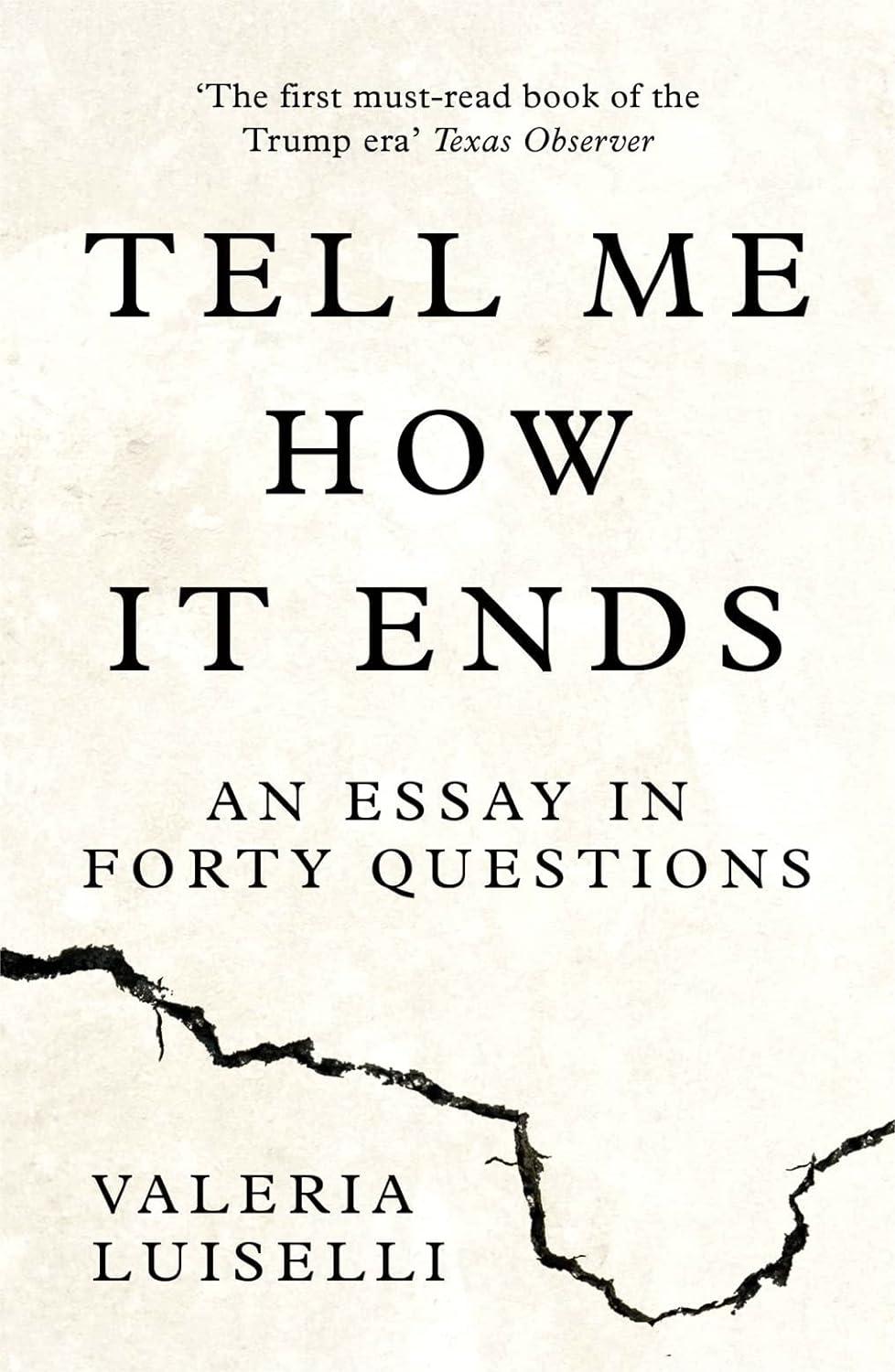
Skin Mutts tips:
Tell Me How It Ends • Valeria Luiselli
A moving, eye-opening polemic about the US-Mexico border and what happens to the tens of thousands of unaccompanied Mexican and Central American children arriving in the US without papers.
Extra tips:
Books
Minor Feelings: An Asian American Reckoning (Cathy Park Hong)
Solito (Javier Zamora)
The Girl Who Fell To Earth: A Memoir (Sophia Al-Maria)
Graphic novel
Araya (Christina De Witte, currently only available in Dutch)
Movie
Past Lives (directed by Celine Song)